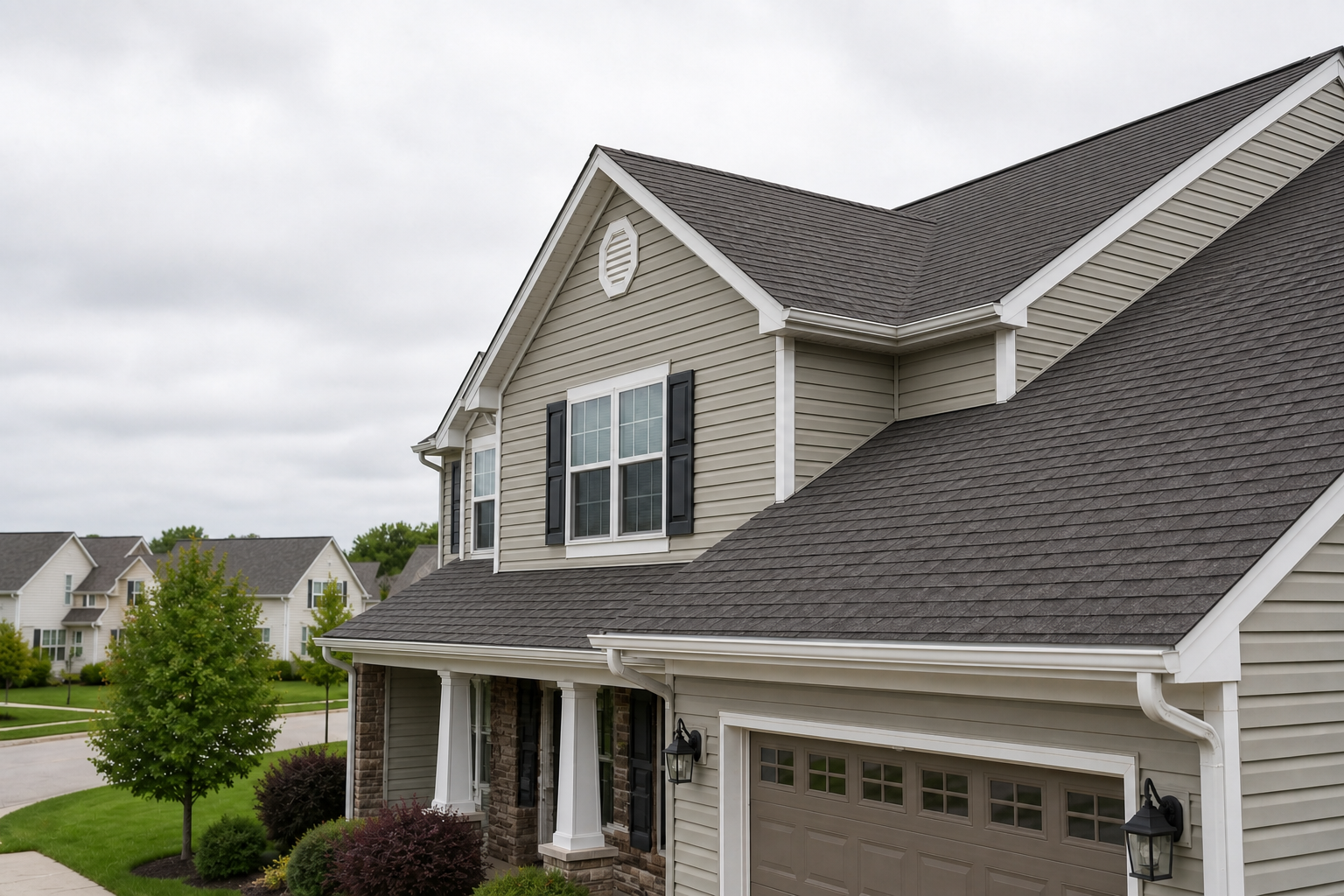
How a job starts
Every job begins the same way. The roof gets walked, the attic gets checked, and what is found gets written down before anyone talks about what to do next. A homeowner gets a scope they can read and compare against another quote line by line, rather than a verbal estimate that is hard to hold anyone to later.
That order matters because the coast changes what a roof needs. A roof plan written for an inland climate misses the salt exposure that eats through cheap fasteners, the sustained wind that a hurricane season brings every year without fail, and the sudden downpours that test every flashing detail through a Wilmington summer.
Working across the Cape Fear coast
Jobs run from the barrier island houses at Wrightsville Beach and Carolina Beach, where salt exposure is constant, to the newer subdivisions in Leland and Hampstead, where the concerns shift toward tree damage and roof complexity. Each area gets treated on its own terms rather than a single approach applied everywhere.
That range of conditions, all within a short drive of the Cape Fear River, means most roofing problems this coast can produce have already come up on a previous job. The lesson from each one carries forward into the next scope.
Materials and method
Shingle gets nailed six per shingle rather than four, because this stretch of coast sits in a higher wind zone than most of the state. Fasteners are stainless or hot dipped galvanized close to the water, where ordinary galvanized hardware shows rust within a few years. Flashing is always new, never reused, since reused flashing under a new roof is one of the more common causes of a leak returning within a couple of seasons.
Standing seam metal is offered for homeowners who want a roof built for decades rather than a couple of decades, and the tradeoffs are explained honestly rather than pushed as an upsell on every job.
What happens after the work
The site gets cleaned and magnet swept for nails before the crew leaves. Photos taken before, during and after the job go to the homeowner as a record, useful for a future sale, an insurance question, or simply peace of mind. Nothing about the process changes based on the size of the job.